

If you walk into a growing support or sales floor and ask, “Are we missing calls?” the first answer you’ll usually hear is no.
People are busy. Headsets are on. Conversations are happening. From a distance, it feels like the machine is running.
Look closer and the story changes.
Someone tried calling during lunch coverage. Another caller gave up after four rings. A follow-up that should have happened yesterday is still sitting in a notebook because the agent who wrote it down had back-to-back conversations and forgot to revisit it.
None of this feels dramatic at the moment. Yet add it up across days or weeks and the business starts sensing that something is off. Conversions dip a little. Complaints repeat. Managers ask for more effort, while agents quietly feel they’re already stretched.
What’s missing is not intent.
It’s control.
Busy Is Not the Same as Organized
A lot of teams equate activity with effectiveness. If everyone is talking, surely the system is working.
But operational control is about understanding flow, not noise.
Who is available right now?
How long has the next caller been waiting?
What happens when three calls land together?
Which conversations must happen today no matter what?
Without clear answers, teams rely on improvisation. Improvisation works at a small scale. It collapses under growth.
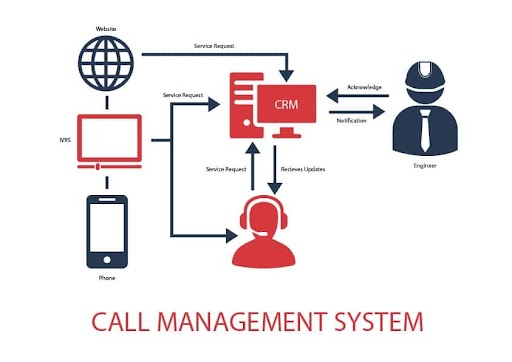
This is usually the stage where leaders begin looking into a call management system — not because they want new technology, but because they’re tired of operating in the dark.
The Moment Visibility Changes Behavior
Something interesting happens once real-time information becomes visible.
When managers can actually see queues forming, they intervene earlier. Breaks shift. Priorities change. Extra hands appear where they’re needed. Small adjustments prevent larger failures.
Before that visibility, problems stay invisible until a report arrives or a customer complains.
By then, recovery is harder and far more expensive.
Operational control, in simple terms, is the ability to react while events are still small.
Why Outbound Work Often Creates Hidden Pressure
Here’s another reality that teams discover late.
Outbound calling looks productive — lists are moving, attempts are being made — but manual effort consumes more time than anyone admits. Agents dial, wait, retry, update, search, and repeat.
Meanwhile inbound calls continue to arrive.
From management’s viewpoint, both groups appear busy. From the customer’s viewpoint, response feels slow. Both are correct, which makes the problem harder to diagnose.
Introducing auto dialer software tends to surprise people here. Not because it increases aggression, but because it removes empty minutes. Agents spend more time actually speaking to customers and less time performing mechanical steps.
That recovered time is what restores balance between outbound ambition and inbound responsibility.
Missed Calls Become Dangerous When Memory Is the System
In many operations, the backup plan for a missed call is human memory.
Someone writes it down. Someone plans to call later. Sometimes they do, sometimes another urgent task pushes it aside.
No one failed deliberately. But the result for the customer is identical to being ignored.
A structured call management system replaces memory with process. Calls that didn’t connect reappear. Alerts surface again. Supervisors can track whether recovery happened.
It’s not glamorous. It’s dependable. And dependability is what customers feel.
Control Reduces Emotional Management
Without structure, supervisors spend a surprising amount of time calming situations that should have been prevented — escalations, repeated complaints, confused follow-ups.
Once workflows become visible and measurable, fewer emotional interventions are required. People know what needs attention. Priorities are clearer. Agents argue less about fairness because distribution is transparent.
Operations become calmer even if call volume stays high.
That’s one of the least advertised but most valued outcomes.
What Teams Notice First
When organizations shift from loose handling to managed flow, the earliest signals are small.
Fewer callers say they tried earlier.
Sales prospects pick up because callbacks happen when promised.
Agents finish days with less unfinished work hanging over them.
No fireworks. Just steadiness.
And steadiness is a powerful thing in customer communication.
Systems Mature When Businesses Mature
Every growing company reaches a point where goodwill and hustle stop being enough. The phone keeps demanding coordination that informal methods can’t provide.
Putting a call management system in place, supported by tools such as auto dialer software, is usually less about expansion and more about adulthood. It’s the decision to replace hope with method.
From there, improvement becomes repeatable instead of accidental.
The Quiet Payoff
Operational control rarely becomes a marketing headline. Customers don’t praise routing logic or queue management.
What they notice is simpler: someone answered, someone followed up, someone remembered.
Behind those simple outcomes sits structure.
And structure is what keeps opportunity from slipping away while everyone is busy doing their best.