

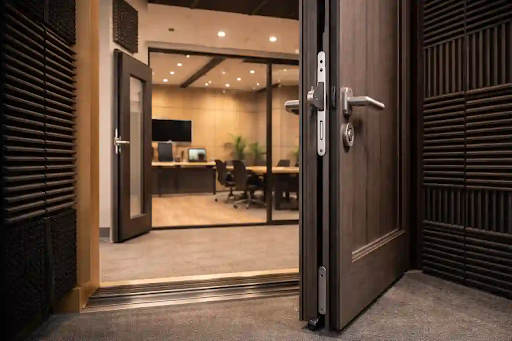
Urban homes are increasingly exposed to traffic, construction activity, and neighbourhood noise. While modern homes often focus on aesthetics and natural light, indoor comfort also depends on controlling unwanted sound. This has made acoustic performance an important consideration when selecting doors and windows. A well-designed soundproof door can help create a quieter environment, improve privacy, and support everyday comfort. However, effective noise reduction comes from a combination of engineering, materials, and performance-focused design.
Why Sound Insulation Matters in Modern Homes?
Excessive noise can affect concentration, relaxation, and overall wellbeing. Whether it comes from a busy road or activity within the home, unwanted sound can disrupt daily life. The benefits of improved sound insulation include:
- Greater Privacy: Helps reduce the transmission of conversations and household noise.
- Better Focus: Creates a suitable environment for work and study.
- Enhanced Comfort: Minimises disturbances from external sources.
- Improved Rest: Supports a quieter atmosphere for relaxation and sleep.
For many homeowners, these benefits make a Soundproof Door a practical addition to modern living spaces.
High-Performance Sealing Systems
Sound often enters through gaps around a door rather than through the door panel itself. As a result, sealing systems play a crucial role in acoustic performance. Key features include:
- EPDM Gaskets: Create a tighter seal between the frame and door panel.
- Precision Sealing Points: Reduce sound leakage around door edges.
- Durable Materials: Maintain performance through years of regular use.
In addition to reducing noise, these sealing systems can improve airtightness and indoor comfort.
Precision-Engineered Construction
The quality of a door’s construction directly affects its ability to control sound. Even small inconsistencies can create pathways for noise intrusion. Precision-engineered systems offer advantages such as:
- Accurate Component Fit: Minimises gaps between the frame and door.
- Consistent Performance: Delivers reliable acoustic results.
- Long-Term Durability: Maintains effectiveness over time.
Factory-controlled manufacturing can further improve consistency and help ensure reliable performance.
Glazing Features That Support Noise Reduction
Many contemporary doors include glass panels to maximise natural light and views. The glass specification can significantly influence acoustic performance. Important considerations include:
- Glass Thickness: Thicker glass can help reduce sound transmission.
- Laminated Glass Options: May provide additional acoustic benefits.
- Integrated Design: Glass, frame, and seals must work together for effective noise reduction.
The effectiveness of a soundproof door depends on the performance of the entire system rather than a single feature.
Must Read: How Aluminium Window Design Enhances Natural Light in Homes
Air-Tightness and Acoustic Comfort
Air leakage and sound leakage often occur through the same openings. For this reason, doors designed for strong air-tightness frequently provide better sound insulation. A well-sealed system can offer:
- Reduced Noise Infiltration: Limits external sound entering the home.
- Improved Indoor Comfort: Supports stable indoor conditions.
- Dust Reduction: Restricts airborne particles.
- Enhanced Overall Performance: Improves the effectiveness of the entire door assembly.
This relationship highlights why air-tightness is an important factor when evaluating doors for privacy and comfort.
Advanced Joint and Corner Sealing
Even the smallest openings around joints and corners can affect acoustic performance. High-quality door systems often incorporate specialised sealing solutions to address these areas. Important features include:
- Nano Gasket Technologies: Help minimise sound leakage through joints.
- Sealed Corner Connections: Improve acoustic and air-tightness performance.
- Integrated Sealing Design: Supports long-term reliability.
Attention to these details helps create a stronger barrier against unwanted noise.
Why Doors and Windows Should Work Together
A door alone may not provide optimal acoustic comfort if nearby windows allow significant sound penetration. Better results are often achieved when homeowners consider the entire fenestration system together.
For example, pairing soundproof doors with Aluminium Casement Windows can help support a quieter indoor environment because casement windows typically close firmly against their frames, improving sealing performance.
Some benefits of this combination include:
- Better Acoustic Comfort: Improved sealing can help minimise external noise.
- Enhanced Indoor Quietness: Coordinated systems often perform more effectively together.
- Greater Durability: Aluminium casement windows offer long-term structural stability.
- Reliable Performance: Well-designed systems support consistent everyday functionality.
A thoughtful combination of doors and windows can therefore contribute to a more comfortable and peaceful indoor experience.
Conclusion
An effective soundproof door relies on more than a solid panel. High-quality sealing systems, precision-engineered construction, air-tightness, suitable glazing, and advanced joint sealing all contribute to better sound insulation. When combined with well-designed aluminium casement windows, these features can help create quieter, more private, and more comfortable living spaces. By focusing on overall system performance, homeowners can make informed decisions that support long-term comfort and functionality.