

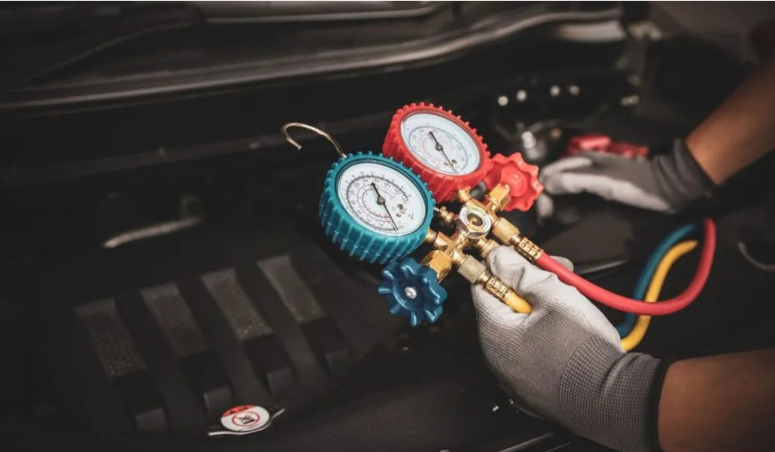
Though usually ignored, the cooling system of a car is a vital element for both cabin comfort and engine integrity. While the built-in air conditioning system guarantees a comfortable driving atmosphere, its main goal is to control engine temperature, hence avoid damaging overheating. From a warped cylinder head to a failed compressor, neglect can result in expensive repairs. Regular maintenance, timely action, and knowledge of important warning signals all contribute to smooth functioning. Proactive care not only protects your engine but also ensures effective cooling efficiency. This covers awareness of when a professional air con recharge is required to recover cooling capability and system stability.
Frequently Check Coolant Levels and keep Them Managed
The coolant, sometimes known as antifreeze, is the lifeblood of the system. Check the engine’s level in the transparent expansion tank once a week to ensure it lies between the ‘min’ and ‘max’. Never open the radiator cap on a warm engine. Using the right sort of coolant as specified in your owner’s manual will help to avoid gelation and system clogging brought on by combining several chemicals. Constant low levels suggest a leak needing urgent inspection. Keeping the right level and equilibrium helps to prevent summer boil-over and winter freeze damage.
Schedule Annual Cooling System Flushes
Over time, coolant loses its anti-corrosive properties and its lubrication. Rust and impurity buildup reduce effectiveness. A professional coolant flush every two to three years (or as specified by the manufacturer) is absolutely vital. Old fluid is removed; the system is cleaned using a flush chemical, and then fresh coolant is inserted. By eliminating harmful deposits that could impede small radiator tubes and the heater matrix, it guarantees maximum heat transfer and therefore protects components, including the thermostat and water pump, against early wear.
Search for Damage to Belts and Hoses
Age and heat degrade the serpentine belt powering the water pump as well as the rubber hoses carrying coolant. Every month, I look for evidence of swelling, cracking, or softening in hoses. Press them; they should be stiff, not floppy. Search connections for any crusty coolant deposit to show leakage. Look for tears, burns, or cracks on the drive belt. A defective belt could snap, stopping the water pump and causing the engine to overheat. At the intervals recommended by your car manufacturer, replace belts and hoses.
Examine the Condenser and Radiator Fins for Cleanliness
Clear airflow assists the radiator, as well as the air conditioning condenser (mounted in front), in getting rid of heat. Their delicate aluminium fins might slowly accumulate road trash, leaves, insects, and muck. This, therefore, re-insulates and significantly reduces engine cooling and air conditioning efficiency. Start from the cabin side and gently clean these fins with a soft brush or low-pressure water or air. Be careful not to damage the fins. Keeping them clean is a basic yet very successful approach that helps you to maintain top system performance.
Replace the Thermostat As Needed and Test It
A temperature-sensitive valve that controls coolant flow is known as a thermostat. While a stuck-open thermostat keeps the engine from attaining its ideal operating temperature, hence lowering efficiency and accelerating wear, a stuck-closed thermostat will quickly cause it to overheat. Among the symptoareude overheating or a lukewarm air-blowing heater. Have it tested if suspected. Replacing a bad thermostat is a relatively inexpensive process that restores appropriate thermal control and helps to avoid more serious engine damage from inappropriate operating temperatures.
Weekly, Run the Air Conditioning System
Run your air conditioner at least ten minutes per week, even in colder seasons. This circulates the refrigerant and compressor oil, which keeps the seals lubricated and prevents them from drying out and cracking. One of the most frequent causes of refrigerant loss is a leak through dry seals. Moreover, regular usage enables early recognition of any deterioration in cooling capability. Regular functioning keeps the internal health of the system intact, therefore extending the life of pricey components like the compressor and guaranteeing it’s ready to provide cold air as needed.
Conclusion:
One of the most basic elements of responsible vehicle ownership is keeping a cooling system operating smoothly. Following a routine of basic visual inspections, appreciating the need for timely fluid changes, and heeding early warning signs will help you to avoid the bulk of overheating catastrophes. This forward-thinking strategy guarantees the reliability and effectiveness of your cabin cooling as well as safeguards your engine from significant, expensive damage. Granting this system periodic, knowledgeable care is a little investment guaranteed comfort, safety, and long-term savings on avoidable repair expenses, which this system runs constantly behind.