
Goods handling breaks down when delivery co-ordination is weak. Items do not only get damaged during transit. They get mishandled when timing, sequence, and information fail to line up across the chain.
Delivery co-ordination controls that alignment. It decides when goods move, where they pause, and how they transfer between people and locations. Without it, even simple deliveries become inefficient. With it, handling becomes structured and predictable.
Timing Controls Handling Quality
When delivery windows are unclear or constantly shifting, goods are often rushed at the wrong moment. Staff may load quickly to meet a delayed departure or unload under pressure because the next vehicle has already arrived. That rush leads to mistakes. Items are stacked poorly, handled roughly, or placed in unsuitable positions.
Clear scheduling removes that pressure. When each stage of the delivery has a defined time and sequence, handling improves. Staff have enough time to load properly, secure items, and check conditions before movement. The process slows down in the right places and speeds up where it matters.
Communication Links Every Step
Delivery co-ordination depends on clear communication between drivers, dispatch teams, and receiving points. If one part of the chain lacks information, the entire process becomes unstable.
For example, if a delivery location is not ready to receive goods, the driver may be forced to wait or reposition the load. If access points are unclear, unloading becomes slower and more difficult. These issues do not appear large on their own, but they compound quickly across multiple deliveries.
Consistent communication keeps each stage aligned. Everyone knows when goods are arriving, how they should be handled, and what conditions to expect. This reduces confusion and improves overall flow.
Reduced Handling Lowers Risk Exposure
Every time goods are moved, the risk of damage increases. Dropping, shifting, improper stacking, and environmental exposure all become more likely with repeated handling. Co-ordination reduces the number of times goods are touched.
A well-planned delivery moves items from loading point to destination with minimal interruption. The fewer transitions involved, the lower the chance of damage. This is where efficiency and risk control meet. Better co-ordination does not just save time. It protects the goods.
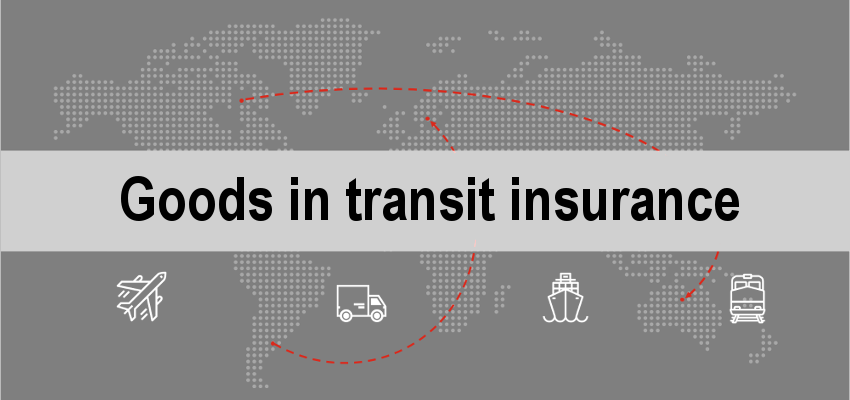
When loads pass through several hands, the weak point is rarely the lorry alone. It is the transfer. A missed scan, a torn package, a pallet left exposed, a box loaded onto the wrong vehicle. That is where goods in transit insurance earns its place, because Patons notes that this cover can protect against damage, loss, or theft while goods are being moved from one place to another, and it is often added separately rather than included as standard. The more touchpoints a shipment has, the more valuable that protection becomes.
Handling Efficiency Is Built Before Movement
Goods handling does not begin when items are physically moved. It begins with how the delivery is planned. Co-ordination sets the conditions that determine whether handling will be efficient or chaotic.
When planning is weak, handling becomes reactive. Staff respond to problems as they appear. When planning is strong, handling becomes controlled. Each step follows a defined sequence, and fewer adjustments are needed.
Goods in transit insurance supports the operation when something goes wrong, but co-ordination can reduce how often those situations occur. It creates a structure where goods move through the system with less risk and less disruption.
Efficiency Comes From Alignment
Delivery co-ordination aligns timing, sequence, and communication. When these elements work together, goods move smoothly from one point to another. When they do not, handling becomes inefficient, and risk increases.
The difference is not always visible at first. It shows up over time through fewer delays, lower damage rates, and more consistent outcomes. In goods transport, that consistency is what defines efficient handling.