

Introduction
Packaging is perceived as a marketing tool in today’s e-commerce world. Unboxing experiences create social media engagement, while package weight, size and structure determine real product profitability. The selection of materials isn’t just a design decision, it’s a logistical tool that can either cost you money with shipping surcharges or save you money by preventing any damage during shipping.
Damage rates and shipping rates go hand in hand. Heavier, sturdier materials are better at providing protection but are more expensive to freight. On the other hand, lightweight materials have low shipping rates but can also have high returns rates because of product breakage. To come up with the “Golden Ratio” packaging demands a profound understanding of material science and logistical mathematical calculations.
The Dimensional Weight (DIM) Factor
FedEx, UPS, DHL and other major carriers use Dimensional Weight (DIM weight) for their cost calculation. If the volume is high, this means that you are being charged for the volume of the box and not its actual weight. The thicker and stiffer the material you select and the bigger the outer box has to be to fit the product, the higher the shipping brackets will be!
There are two ways that material selection affects DIM weight thickness and instability. For example, corrugated cardboard is available in different flute sizes. This change from B-flute (1/8″) to E-flute (1/16″) can result in a dramatic decline in outside dimensions of a box without losing significant crush resistance. A small change in the thickness of a material can result in a package being placed in a lower shipping tier, which can save thousands of dollars in a large production run.
2. Damage Rates: The Brand Killer
A damaged product will be the biggest turnoff to customer loyalty. The amount of damage you cause is directly related to the Bursting Strength and Edge Crush Test (ECT) of your material. If it’s too flimsy, it will give way to the stacking pressure in a delivery truck. If there are high dollar items like a luxury cosmetic line or a delicate piece of glass, the most important feature of the main container is its structural strength.
Brands that wish to find the elegance and security often invest in special solutions. A company may choose to collaborate with a wholesale supplier of custom perfume box printing, for instance, to make sure that the interior boxes are designed to fit the weight of the bottle. This customization degree guarantees the product will not shift throughout transportation, the most frequent source of internal breaks and leakage.
3. The Weight-to-Strength Paradox
There are new and popular materials that have taken the place of traditional heavy packaging in modern material science. We are witnessing a trend towards thin materials with high performance that have the strength of much thicker liners. A brand can use virgin kraft fibers to get a higher ECT rating, while keeping the GSM (grams per square meter) low as compared to recycled fibers. This makes it possible to offer a lighter box, which is actually stronger technically than a heavier recycled box.
That is the costliest package that doesn’t work, a 5% reduction in damage rates can be more expensive than a 10% increase in material cost.
4. Material Types and their Logistical Impact
Choosing the correct material calls for a comparison of structural archetypes:
Solid Bleached Sulfate (SBS): Lightweight and of quality. Good for retail but sometimes must have an outer shipping carton to avoid denting.
Corrugated Fiberboard: the workhorse of shipping middle layer is made of an air-cushioned material that gives it high impact resistance and bulk.
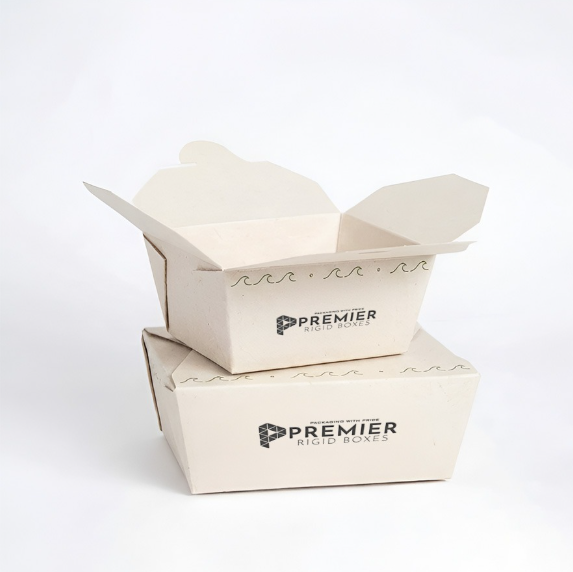
Rigid Board: Provides maximum protection and luxury feel. But, it’s heavy and cannot be collapsed, so it takes up the same amount of space when empty as it does when it’s full.
Molded Pulp: Environmentally friendly material used in place of plastic foam. It gives great “cradling” for oddly shaped objects but may take up a lot of space, thus affecting DIM weight.
The 5th criterion is Environmental Impact and Shipping Efficiency
Going sustainable isn’t a selling proposition anymore; it’s a money saver. Honeycomb paper wrap or mushroom packaging are examples of sustainable materials that can be lighter in weight than wood supports or heavy plastic supports. In addition, many todays seek frustration-free packaging design that is one that requires little product material but provides the highest possible level of protection.
With the material being just the right shape, a brand can avoid the need for void fill (bubble wrap or peanuts). This not only cuts the weight of shipments, but also cuts the number of items that need to be moved in the supply chain, making it more green and lean.
Conclusion
Achieving a balance between shipping cost and damage rate is a learning process. It means testing different materials ranging from lightweight paperboards to heavy corrugated flutes, and then tracking them in the real world. A very special article of packaging isn’t only pretty on a shelf, it also makes it to the doorstep of the customer and still keeps the company’s shipping ledger afloat!
By matching the right material to the right logistics, packaging becomes a competitive advantage for your company. Invest in materials that stand for your brand, ensure asset protection, and reduce the impact of your mode of transport.