
The retail world is changing in ways that extend beyond digital innovation, and they’re being led by a shift in consumer values. Sustainability has gone from being a “luxury” feature to an essential one for the survival of the brands. The move towards eco-friendly packaging isn’t just about being a “good corporate citizen” anymore, but about staying relevant, compliant and fiscally healthy for modern retail brands.
The Rise of the Conscious Consumer
Consumers are the main reason for the green revolution in packaging. In today’s marketplace, including the Millennial and Generation Z audiences, buyers know more and are more ethically conscious than ever before. They are not looking at a product on its own, they are looking at the whole product life cycle that they purchase. Excessive plastic packaging of a high-quality product is now regarded as a failure of the brand and not a measure of premium quality.
Earlier studies have repeatedly confirmed that many consumers are prepared to change their purchasing behaviors in order to minimize environmental impact. This “vote with the wallet” attitude leads to a situation where brands that cannot offer sustainable alternatives are actively encouraging their loyal customers to turn to another brand that can. It is a tragedy that is avoidable in the retail world, where acquiring a customer is at an all-time high with that being the case.
Regulatory pressure and the end of business as usual
It no longer takes governments around the world a long time to wait for corporations to self-regulate. The legal “floor” for packaging is also climbing from the European Union’s strict guidelines on single-use plastics to many state-by-state laws prohibiting PFAS and non-recyclable packaging in various parts of the U.S.
Retailers are now confronted with a world of Extended Producer Responsibility (EPR) legislation. They impose financial responsibility upon manufacturers and retailers for the end-of-life management of their packaging. The move to ‘green’ materials is not only good for the environment, it’s also good for the brand and its finances as well, because the sooner that shift can be made, the sooner the tax, fines, and mandatory redesigns will be incurred, and the more expensive they will be.
Balancing protection, compliance and branding
Packaging is one of the toughest markets to navigate in the specialized and boutique market. The switch to green materials demands a considerable amount of engineering in industries where safety, freshness, and child resistance are essential.
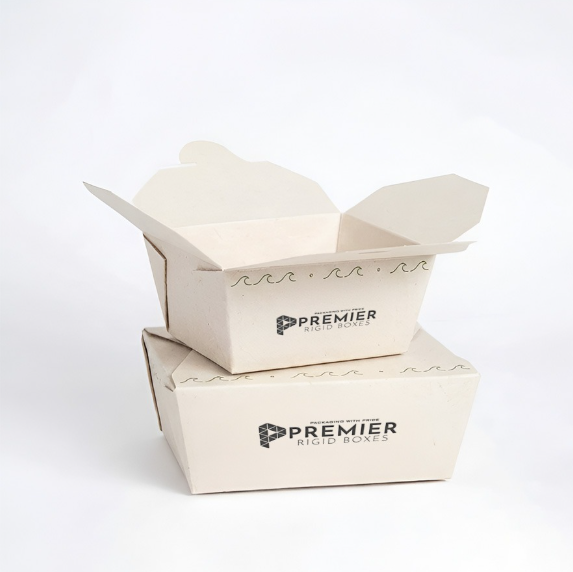
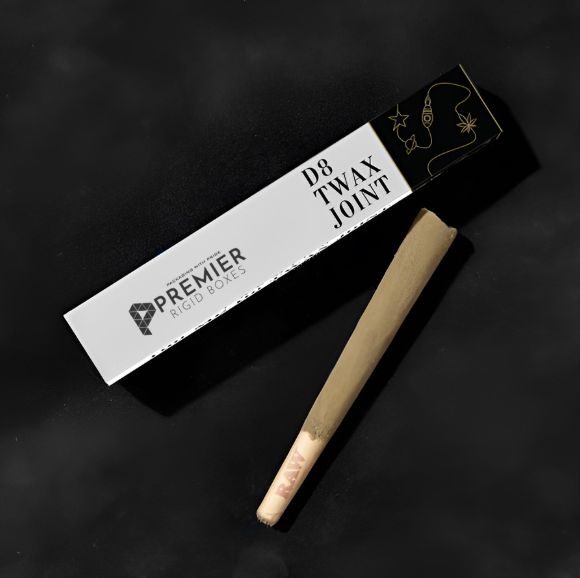
One such example is a brand that’s entering the legal wellness and botanical market, which needs to strike a balance between regulation and premium shelf appeal. Many of these businesses now use pre roll boxes wholesale from biodegradable Kraft paper or hemp fiber as opposed to the traditional plastic lined boxes. Not only is this a legal requirement, there also is a “seed to shelf” philosophy that is in the personality of the audience that typically appreciates natural and organic processes. In the case of a box made by a consumer that is earthy and sustainable, the overall value of the product inside immediately rises.
What makes something premium in the aesthetic?
Over the years, premium meant weight and gloss (the thickness of the glass, metallic foils, and the plastic laminate, respectively). But nowadays luxury is defined as minimalist and intentional.
The new symbols of high-end retail are eco-friendly materials such as Solid Bleached Sulfate (SBS) paper made from FSC certified forests, molded pulp and mushroom packaging. These materials are a tactile/sensory experience unlike plastic. A soft-touch aqueous coating is used to impart a luxurious hand feel to a 100% recycled paperboard box. These textures will allow brands to establish a distinctive look that will make them stand out on a shelf full of ordinary, shinier plastics.
The Economic Case: Efficiency and Logistics
The misconception that “green” packaging is too costly persists. Some raw materials might cost more per unit, but the savings in systems usually make up for the up-front expense.
Right-sizing: A design attribute of sustainability is reduced Dimensional Weight, the air and layers that have been eliminated. Smaller, lighter boxes contribute to less transportation vehicles on the road, freight spending and a smaller carbon footprint.
Recycling becomes easier for the consumer and manufacturing easier for the brand with the help of mono-materials (packaging composed of a single material such as 100% paperboard).
The expense of losing a customer because they feel they are supporting a company through “greenwashing” or poor environmental practices is beyond price.
As a Marketing channel, the Unboxing Experience
In the age of social media, the unboxing is a free marketing machine! The unboxing video is quite common today on TikTok and Instagram, and it’s all about the package. Retailers are offering their customers a story when they use biodegradable tissue paper, soy based inks and plastic free stickers.
For the brand, it equates to a kind of third-party validation that can’t be bought that a customer films them unboxing a package and indicates that the “peanuts” are cornstarch or that the box itself can be planted. That’s a level of engagement that makes a delivery a brand event.
Conclusion
The switch to sustainable packaging is a process, not a one-day wonder. It involves reviewing existing content, conducting trials on new structures, and identifying suitable manufacturers. But the facts are abundantly clear: The modern retail brand simply can’t sit still.
But as we look ahead to 2026, the brands that will succeed will be those that see sustainability as an opportunity to get creative, not burdened by a mandate to get greener. Retail brands are not only doing their part to save the planet, but they’re also making brands that please the customer, while protecting the thing itself.