

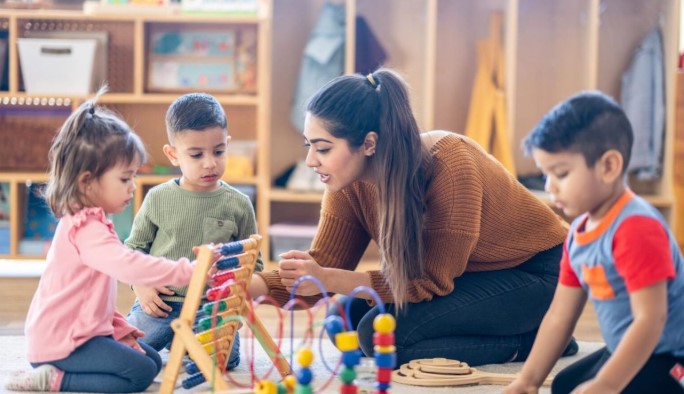
Early formative years are a time of interest, laughter, and countless questions. A childcare centre turns into a globe in which little minds discover, test, and develop naturally. Every activity, interplay, and statement contributes to gaining knowledge of. From play to communication, youngsters find out their abilities and increase self-assurance in approaches that live with them for life.
Play-Based Learning Support
Play fuels gaining knowledge in approaches to books and lectures. Blocks, dolls, and make-believe kitchens grow to be gear for problem-solving, creativity, and teamwork. Children negotiate roles, take a look at thoughts, and analyse patience. At the same time, childcare after school programmes offer possibilities to combine video-based games with unfettered play, giving youngsters preference and voice. Mistakes grow to be classes, laughter blends with effort, and gaining knowledge grows organically. When play is recommended without pressure, interest thrives. Children discover rules, test with social roles, and benefit from self-assurance, all at the same time as growing a love for discovery that lasts past the classroom.
Early Language Development
Language blooms through day-by-day conversation, songs, and stories. Practitioners interact with youngsters in significant chats, asking questions, listening carefully, and supplying new phrases without rushing. Storytime introduces thoughts and vocabulary, at the same time as easy workouts offer opportunities for youngsters to exercise phrases. Listening, repeating, and forming sentences show up naturally, developing assured communicators. Encouragement enables youngsters to attempt strange phrases without fear. Over time, hesitant whispers change into clean sentences, and their capacity to express explicit emotions and thoughts strengthens. Communication talents increase quietly, woven into each playful or realistic second of the day.
Safe Learning Environment
A feeling of protection underpins all gaining knowledge of. When youngsters sense they are covered and accepted, they take risks without fear. Emotional protection is as vital as bodily security. When youngsters recognise their emotions are respected, they discover, ask questions, and attempt once more after setbacks. This nurturing ecosystem helps interest and builds resilience. With regular care, youngsters increase belief in both their environment and themselves, laying a basis for assured exploration, cooperative play, and long-lasting love for gaining knowledge.
Social Skills Building
Early society gains knowledge of shapes, destiny, and relationships. In childcare settings, youngsters learn instruction sharing, turn-taking, and empathy through institutional activities. Friendships, conflicts, and negotiations offer day-by-day classes in information about others. Adults interact gently, assisting youngsters in seeing perspectives, coping with disagreements, and having a good time cooperating. Through repeated exercise, youngsters increase patience, kindness, and self-assurance in social situations. They start to realise emotions, reply thoughtfully, and shape effective bonds. Social competence grows gradually, getting them ready for faculty and the past. Each interplay strengthens interpersonal talents, emotional awareness, and the capacity to speak effectively.
Individual Learning Needs
Every toddler follows a completely unique path, progressing at their personal pace. Observing interests, strengths, and demanding situations enables practitioners to offer sports applicable to character growth. Adapted aid permits kids to be valued instead of compared, boosting self-esteem. Flexible routines, customised encouragement, and centred sports assist kids in gaining milestones confidently. Recognising variations early prevents frustration and nurtures herbal talent. When getting to know the response to the character, kids expand resilience, self-belief, and motivation. Each toddler story succeeds, reinforcing interest and engagement even as it constructs a sturdy basis for Destiny getting to know.
Observation And Assessment
Learning frequently shows up in diffuse ways. A toddler fixing a puzzle faster, displaying patience, or experimenting creatively gives precious insight. Practitioners watch closely, noting achievements and regions desiring aid. Assessment is ongoing, gentle, and woven into each day’s routines. It captures growth, identifies needs, and enables adults to offer significant aid. By staring thoughtfully, practitioners can provide centred demanding situations even as they celebrate successes. Children experience advocacy instead of evaluation, and development turns into seeing through herbal moments. Observation guarantees getting to know responses to kids’ improvement instead of inflexible expectations.
Parent Partnership Role
Parents are a crucial part of a toddler’s getting-to-know journey. Regular communication, updates, and discussions construct know-how among domestic and childcare workers. Sharing routines, interests, and achievements enables the creation of continuity, helping kids’ self-belief and development. When mother and father and practitioners collaborate, kids experience steadiness and support from each side. This partnership strengthens emotional well-being and reinforces fantastic behaviour. Children flourish whilst adults around them act as a team, valuing their interest and efforts. Engagement with households nurtures trust, connection, and a typical feeling of belonging.
Conclusion
Childcare centres play an important function in shaping early getting to know. Through play, communication, observation, and their own circle of relatives’ collaboration, kids expand skills, self-belief, and interest. Every second in those settings contributes to growth, getting kids ready for faculty and lifestyles ahead. Thoughtful aid creates a love of getting to know that lasts a lifetime.