

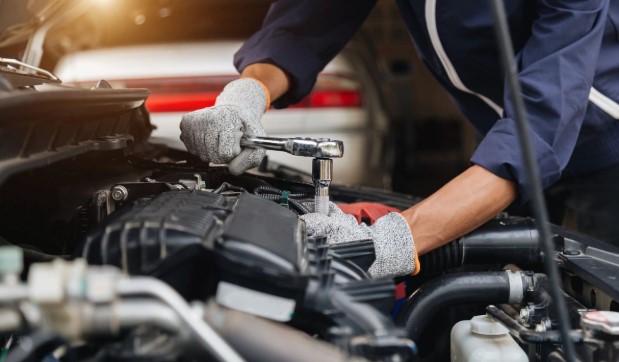
The foundation of guaranteed long-term vehicle performance, safety, and value is investing in a well-planned vehicle maintenance program. Far from a series of responsive repairs, a proactive maintenance plan is a deliberate approach intended to avoid expensive breakdowns, maximise fuel efficiency, and keep your automobile mechanically sound. Just as routine medical exams can help to avoid big problems, systematic maintenance finds wear and tear before it fails. Besides boosting driving enjoyment, this methodical attention offers vital peace of mind. It differs sharply from the hurried, unexpected need that follows an accident, when one has to seek urgently for a reputable car collision repair near me. Your initial and greatest barrier against such unwanted situations is a strong maintenance plan.
Abide by the Manufacturer’s Service Schedule
Your car’s handbook has a very precisely prepared maintenance schedule fit for its unique engine and components. Designed by the engineers who created the automobile, this chronology depends on both mileage and time spans. Holding any guarantee and maintaining performance demands strict compliance. It specifies necessary essential oil changes, filter replacements, and system inspections that maintain the engine operating smoothly and effectively. Neglecting these intervals enables pollutants to accumulate, improves internal friction, and can cause early wear of vital components, including the timing chain or turbocharger. Regarding this schedule as your main maintenance blueprint.
Give Regular Fluid Checks and Changes Top Priority
A car depends on many essential fluids, each with a different lifespan and purpose. The most important maintenance job is the frequent replacement of engine oil, which cleans, cools, and lubricates inner components. By controlling engine temperature, the coolant stops corrosion within the cooling system and overheating. Braking fluid is hygroscopic; over time, it absorbs moisture, therefore lowering its boiling point and impairing braking effectiveness. Smooth gear changes depend on transmission fluid. Regularly monitoring levels and changing these fluids at recommended intervals shields against system failures, guarantees best performance, and can head off repairs that far exceed the price of the fluid service.
Keep an Eye on and Preserve Tyre Condition and Alignment.
Your only contact with the road is tyres; hence, they have a straight impact on handling, braking, and fuel economy. As under-inflation causes greater wear, decreased grip, and higher gasoline usage, check tyre pressures every month when cold. Regularly check the tread depth; the UK legal minimum is 1.6mm across the centre three-quarters of the tyre; however, replacing them at 3mm is safer, particularly in wet conditions. Furthermore, have the wheel alignment inspected every year or if you see a draw to one side. Bad alignment stresses steering and suspension components, influencing vehicle stability by causing erratic, quick tyre wear and forcing these parts to run under stress.
Make Sure Your Brakes Still work and are in Good Shape
Safety depends mostly on the braking system. Listen for warning indicators such as screeching, gritty sounds, or a spongy sensation in the brake pedal. Get pads and disks examined at every service. Damaged discs can distort under heat, resulting in vibration, while worn pads lower the stopping force. Brake fluid should be changed every two years since absorbed water can cause vapour lock (boiling fluid) under hard braking, therefore leading to total loss of pedal pressure. Proactive brake maintenance protects you and others on the road while guaranteeing consistent, dependable stopping power by avoiding longer stopping distances.
Maintain Battery Health and Electrical System Integrity
Modern cars are heavy with electronics, depending on a steady electricity supply. From erratic engine management to malfunctioning entertainment systems, a weak battery can cause a variety of intermittent problems. Test your battery every year, especially before winter. Prevent voltage drop by maintaining tight and clean terminal connections. To keep the battery charged, make sure your charging system alternator is working properly. Quickly resolving small electrical problems stops them from turning into complicated, hard-to-diagnose ones that might leave you stranded and affect everything from fuel injection to sophisticated driver-assistance systems.
Conclusion:
One act of forethought and responsibility is the execution of a thorough car care program. It converts vehicle ownership from a string of erratic costs into a manageable, budgetable obligation with significant results. Enhanced safety via dependable braking and handling; better fuel economy from a well-tuned engine; extended vehicle life; and financial value retention are among the many advantages. You invest not only in the mechanical condition of your vehicle but also in your own safety and driving pleasure on every trip by paying attention to scheduled maintenance, fluid management, tyre care, and regular inspections.
References